
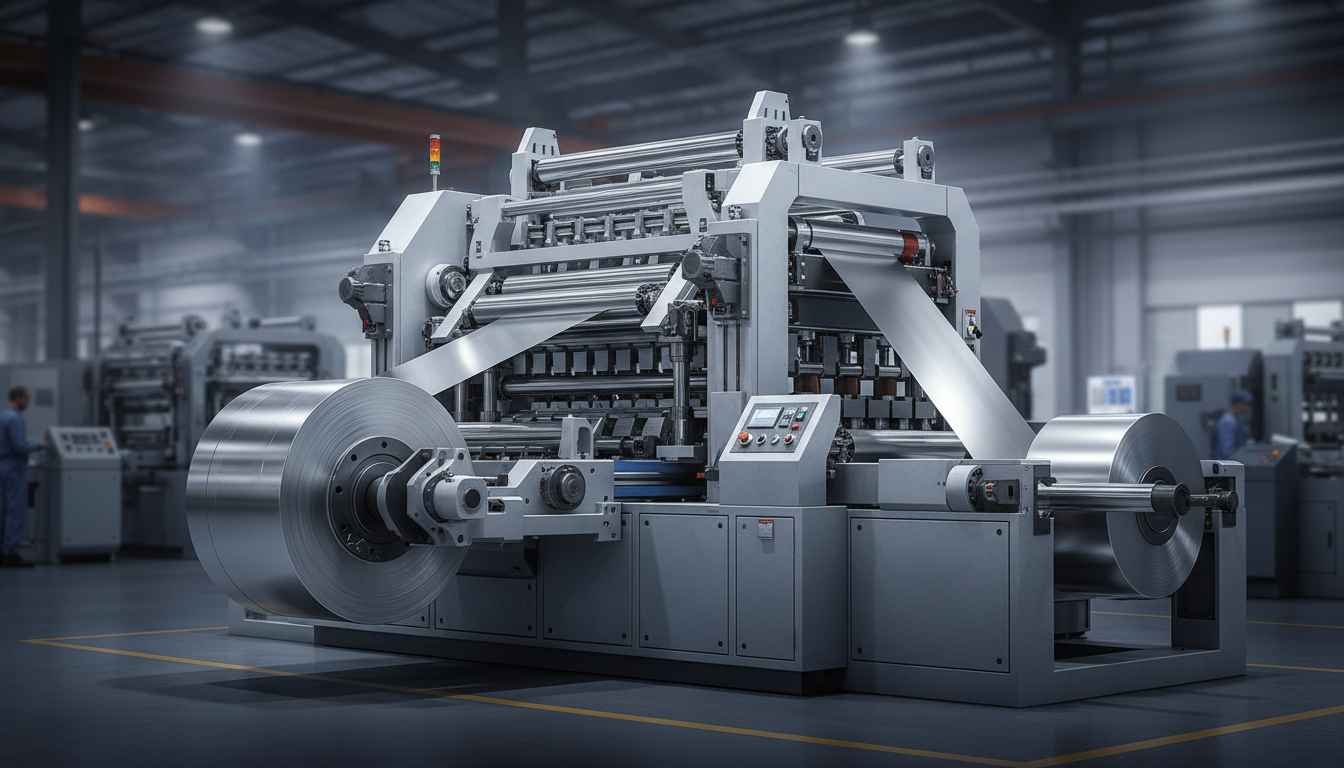
The simple answer is No, but modern aluminum foil manufacturing machines have evolved significantly, offering unmatched precision and scalability for industrial production. These machines are not just about rolling metal; they integrate multiple stages including annealing, rolling, and finishing processes to deliver high-quality foil suitable for packaging, insulation, and a wide range of industrial applications.
Before You Start
Before investing in an aluminum foil manufacturing machine, ensure you have the following prerequisites in place:
1. Adequate industrial space with proper flooring and ceiling height to accommodate heavy machinery and rollers.
2. Reliable power supply capable of handling high-voltage equipment without frequent fluctuations.
3. Skilled operators familiar with metal forming, safety standards, and machine calibration.
4. Access to high-quality raw aluminum rolls and ancillary materials.
5. Safety equipment and protocols for handling machinery, including emergency stop mechanisms and fire suppression systems.
Core Components of an Aluminum Foil Manufacturing Machine
An aluminum foil manufacturing machine is composed of several critical components designed to streamline production while ensuring consistent thickness and strength of the final product.
1. Uncoiler
The uncoiler is the starting point of the process. It holds and feeds raw aluminum rolls into the machine. Modern uncoilers are equipped with tension control systems to prevent stretching or tearing, ensuring the aluminum enters the rollers smoothly.
2. Rolling Mill
The rolling mill is the heart of the operation. It reduces the thickness of aluminum sheets to foil levels, often as thin as 0.006 mm. Rolling mills can be single, double, or multi-stand configurations, with precision controls to adjust speed and pressure according to material specifications.
3. Annealing Furnace
Aluminum work-hardens during rolling. The annealing furnace softens the metal through controlled heating, restoring ductility and allowing for further reduction in thickness without cracking. Continuous or batch furnaces are used depending on production volume.
4. Finishing and Rewinding Units
Once rolled and annealed, the foil undergoes finishing processes such as trimming, slitting, and rewinding. Advanced machines include tension-controlled rewinders that maintain uniform foil tension, minimizing defects like wrinkling or edge cracks.
In today’s rapidly evolving market, packaging manufacturers face a myriad of challenges and opportunities that can significantly impact their business trajectory. As consumer preferences shift towards more sustainable and innovative solutions, it becomes imperative for these companies to conduct a thorough opportunity assessment for packaging manufacturer strategies. This critical examination not only helps identify potential growth areas but also allows companies to align their operations with market demands. By understanding the intricacies of market dynamics, manufacturers can better position themselves to capitalize on emerging trends while mitigating risks associated with changing consumer behavior and regulatory environments.
Key Features to Optimize Production
Investing in the right aluminum foil manufacturing machine involves evaluating features that directly impact efficiency, quality, and operational cost.
Automation and Control Systems
High-end machines come with PLC-controlled interfaces and digital sensors to monitor thickness, tension, and temperature in real time. Automation reduces human error, improves consistency, and allows operators to handle multiple production lines simultaneously.
Energy Efficiency
Energy consumption is a significant cost in foil manufacturing. Machines with optimized motor drives, heat recovery systems, and efficient annealing furnaces can reduce energy use by up to 20%, translating into substantial operational savings.
Production Speed and Scalability
Modern machines achieve rolling speeds of up to 100 meters per minute for standard foil thickness, with the capability to scale up based on demand. Modular machine designs allow expansion without major downtime.
Maintenance and Operational Best Practices
Regular maintenance ensures machine longevity and consistent product quality. Key practices include:
1. Lubrication of rollers and bearings as per manufacturer guidelines.
2. Calibration of tension sensors and thickness gauges to prevent deviations.
3. Scheduled inspection of annealing furnaces and heating elements.
4. Preventive replacement of consumable parts such as knives and rollers.
5. Training operators on emergency shutdown procedures and troubleshooting protocols.
Potential Drawbacks
Despite technological advancements, aluminum foil manufacturing machines have some limitations. High initial capital investment and operational complexity can be prohibitive for smaller manufacturers. Machines also require continuous supervision and skilled operators, and downtime due to maintenance or part replacement can affect production schedules. Additionally, energy consumption remains a concern, particularly for high-volume operations, making operational efficiency a critical factor to monitor.
Applications and Market Opportunities
Aluminum foil is widely used in food packaging, pharmaceutical blister packs, insulation, and industrial shielding applications. The versatility of foil allows manufacturers to diversify product offerings, from household packaging to industrial-grade materials. Companies leveraging advanced machinery can meet both domestic and international quality standards, tapping into emerging markets where demand for aluminum foil is growing steadily.
Conclusion
Investing in an aluminum foil manufacturing machine is a strategic decision that requires careful evaluation of production needs, technical capabilities, and operational costs. By understanding the machine’s components, maintenance requirements, and potential drawbacks, manufacturers can optimize production efficiency and deliver high-quality aluminum foil consistently. For businesses seeking reliable industrial equipment and support, AFT Fasteners provides comprehensive solutions, including fasteners, industrial supplies, and technical expertise to complement aluminum manufacturing operations.