
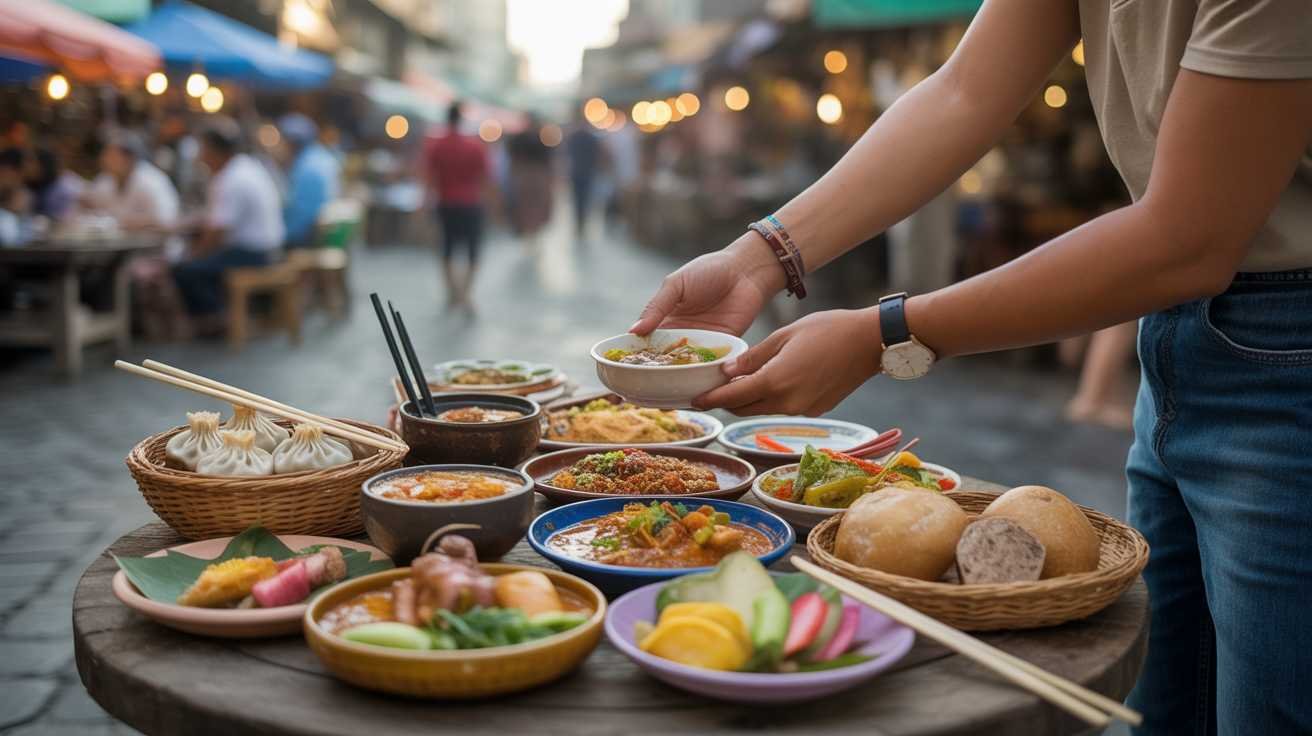
Immerse Yourself in the Local Food Culture
When traveling abroad, the most exhilarating way to truly understand a place is through its food. Imagine walking down a bustling market street, the air thick with the aroma of sizzling spices, fresh herbs, and sweet pastries. Your senses tingle as vibrant colors of exotic fruits, glistening seafood, and meticulously prepared street food tempt every step you take. But beyond just the thrill of tasting, immersing yourself in the local food culture is about understanding the traditions, the history, and the stories behind each dish. Chat with vendors, watch the careful choreography of cooking, and observe how locals interact with their meals. This sensory engagement not only enhances your culinary adventure but also ensures you are informed about the hygiene and preparation practices, keeping your experience safe and enjoyable. Travelers often overlook these nuances, but the true essence of exploring local cuisine safely lies in embracing both the taste and the context, allowing your journey to be deeply memorable and safe.
Prioritize Hygiene Without Compromising Adventure
Nothing can derail a culinary adventure faster than an unexpected bout of illness. The key is balancing risk with excitement. While the allure of a street cart selling freshly fried delicacies is irresistible, prioritizing hygiene ensures that your trip remains unforgettable for the right reasons. Look for vendors with visible cleanliness, gloves, and clean cooking surfaces. Pay attention to how food is stored and whether it is cooked to safe temperatures. Simple habits such as washing hands, carrying alcohol-based sanitizer, and choosing freshly prepared meals over pre-cooked or sitting food can prevent unpleasant health surprises. This approach does not diminish the thrill – it heightens it. Knowing that you are savoring authentic dishes while remaining vigilant about safety allows you to dive fearlessly into flavors, textures, and aromas that might otherwise be intimidating. In essence, staying cautious amplifies the joy of discovery, allowing your taste buds to celebrate without risk.
Learn Basic Local Phrases for Food and Safety
One of the most overlooked strategies for safe culinary exploration is learning a handful of local phrases. Simple words for “safe,” “spicy,” “allergy,” or “no dairy” can dramatically improve your dining experience. Imagine entering a small family-run eatery in Thailand and confidently communicating that you have a gluten sensitivity. Not only does this show respect for local customs, but it also safeguards your health. Locals appreciate travelers who make the effort, and this often opens doors to hidden culinary gems that are off the beaten path. Even phrases like “fresh today?” or “cooked well?” can prevent mishaps and elevate your dining experience. For those seeking more profound understanding, tying this learning into broader experiences, such as sex education lessons on nutrition, consent in cultural interactions, and understanding local norms, can make your trip educational, safe, and extraordinarily enriching.
Seek Trusted Recommendations and Reviews
Nothing replaces first-hand knowledge, but trusted sources can guide you to the safest and most delectable culinary experiences. Online platforms, verified food blogs, and travel forums often provide real-world insights from seasoned travelers. Prioritize establishments with clear licensing, verified customer feedback, and responsive service. For instance, a tapas bar in Barcelona might be a hidden gem, but checking verified reviews ensures that the delightful aromas you crave do not come at the cost of your wellbeing. Connecting with local tour guides, joining curated food walks, or engaging with community recommendations can also lead you to authentic experiences that might remain undiscovered otherwise. Combining FOMO-driven excitement with careful vetting creates a strategy that maximizes both safety and satisfaction. This approach mirrors principles emphasized in sex education lessons, where understanding verified sources and safe practices is crucial before diving into new experiences.
Be Adventurous but Mindful of Allergens
Adventure is at the heart of culinary exploration, but mindfulness ensures your experiences remain joyous rather than regrettable. Sampling exotic ingredients – like fiery chilies in India or unusual seafood in Japan – can transform a meal into a memory. However, being aware of personal allergies and dietary restrictions is paramount. Carry translated cards listing your allergens, observe ingredients closely, and ask vendors about preparation methods. The thrill of tasting something entirely new does not need to compromise your health. Savvy travelers learn to combine curiosity with precaution. For example, while trying a local delicacy, you might also explore its cultural significance, learning its origin story and regional variations, which adds depth to the experience. Just as sex education lessons emphasize informed decision-making, understanding the composition of your meals empowers you to engage fully, safely, and with unmatched enthusiasm.
Balance Street Food with Sit-Down Meals
Street food markets are undeniably exciting, with sizzling pans, aromatic spices, and vibrant colors luring travelers into a whirlwind of sensory delight. Yet, balancing street food with sit-down meals in licensed establishments can mitigate risks without reducing the thrill. Restaurants that adhere to health regulations often provide detailed menus, clean facilities, and trustworthy sourcing, which complements the unstructured chaos of markets. Alternating between spontaneous street discoveries and controlled sit-down experiences allows for both excitement and security. For example, after sampling spicy dumplings from a street vendor, enjoying a curated tasting menu in a local bistro offers contrast, comfort, and perspective. This balance ensures that your exploration remains sustainable throughout the trip, maintaining high energy, curiosity, and the undeniable FOMO-driven urge to not miss a single taste.
Document Your Experiences Mindfully
Capturing the magic of local cuisine is more than just snapping photos; it is about documenting flavors, textures, and moments that make each dish unforgettable. Maintaining a food journal or sharing experiences on verified travel platforms can enhance both personal enjoyment and community knowledge. Writing about how a street-side paella glistened under the sun, or how a vendor patiently explained the spice blend in a fragrant curry, preserves memories while providing practical information for others. These reflections can also integrate educational insights, like parallels to sex education lessons in terms of understanding boundaries, respectful interactions, and personal health. Mindful documentation turns every bite into a story, ensuring your culinary journey is both safe and deeply enriching, creating memories you can relive vividly and share responsibly with fellow adventurers.
Understand Local Dining Etiquette
Every culture has its own culinary customs, and understanding them elevates your dining experience while protecting you from unintended faux pas. From chopstick etiquette in Japan to the communal eating traditions in Ethiopia, small gestures of respect enhance your enjoyment and reduce social risks. Observing how locals handle food, tip, or interact during meals provides insights that are critical for smooth, safe experiences. Beyond mere manners, this understanding allows you to navigate food safely, avoiding raw or improperly handled items that may be culturally sensitive yet risky. Integrating these lessons with broader principles, such as those found in sex education lessons, reinforces the value of informed and respectful engagement in unfamiliar settings. This awareness ensures that your culinary exploration is as socially rewarding as it is gastronomically exciting, amplifying the sense of FOMO for every moment you engage authentically.
Stay Hydrated and Mindful of Food Safety Rules
Food exploration is physically demanding, and hydration plays a crucial role in maintaining energy, alertness, and overall safety. Consuming local water requires caution; prefer bottled or purified sources. Similarly, understand the safety protocols of local food handling. Avoid raw or undercooked items unless they are verified safe, and pay attention to temperature and storage conditions. These simple yet critical measures can prevent disruptions that could otherwise derail your adventure. Travelers often underestimate the importance of hydration and careful consumption, but integrating these practices ensures that every meal is a celebration rather than a risk. Embracing these safety habits mirrors lessons from sex education lessons – preparation, awareness, and precaution can dramatically enhance the quality and safety of an experience. A well-hydrated, well-informed traveler is unstoppable, savoring every flavor without hesitation or regret.
Seize the Culinary Adventure Now
The world’s flavors are waiting, and every moment you hesitate is a memory you might miss forever. From hidden alleyway stalls to Michelin-starred marvels, local cuisine offers an unparalleled adventure for the senses, intellect, and heart. Integrating knowledge, hygiene, cultural etiquette, and personal awareness – echoing principles from sex education lessons – ensures that your journey is thrilling yet safe. Don’t wait to plan your next culinary expedition. Seek verified guides, trusted recommendations, and authentic experiences today. Let the vibrant colors, intoxicating aromas, and unforgettable flavors pull you into a world that is as safe as it is exhilarating. Your taste buds, your memories, and your adventurous spirit deserve nothing less. Every dish not sampled is a story untold. Don’t miss it – start your culinary adventure now, with confidence, excitement, and a commitment to safety, flavor, and unforgettable experiences. For curated, trustworthy culinary guides, check Local Food Guides today and secure your next gastronomic adventure before it’s too late.