
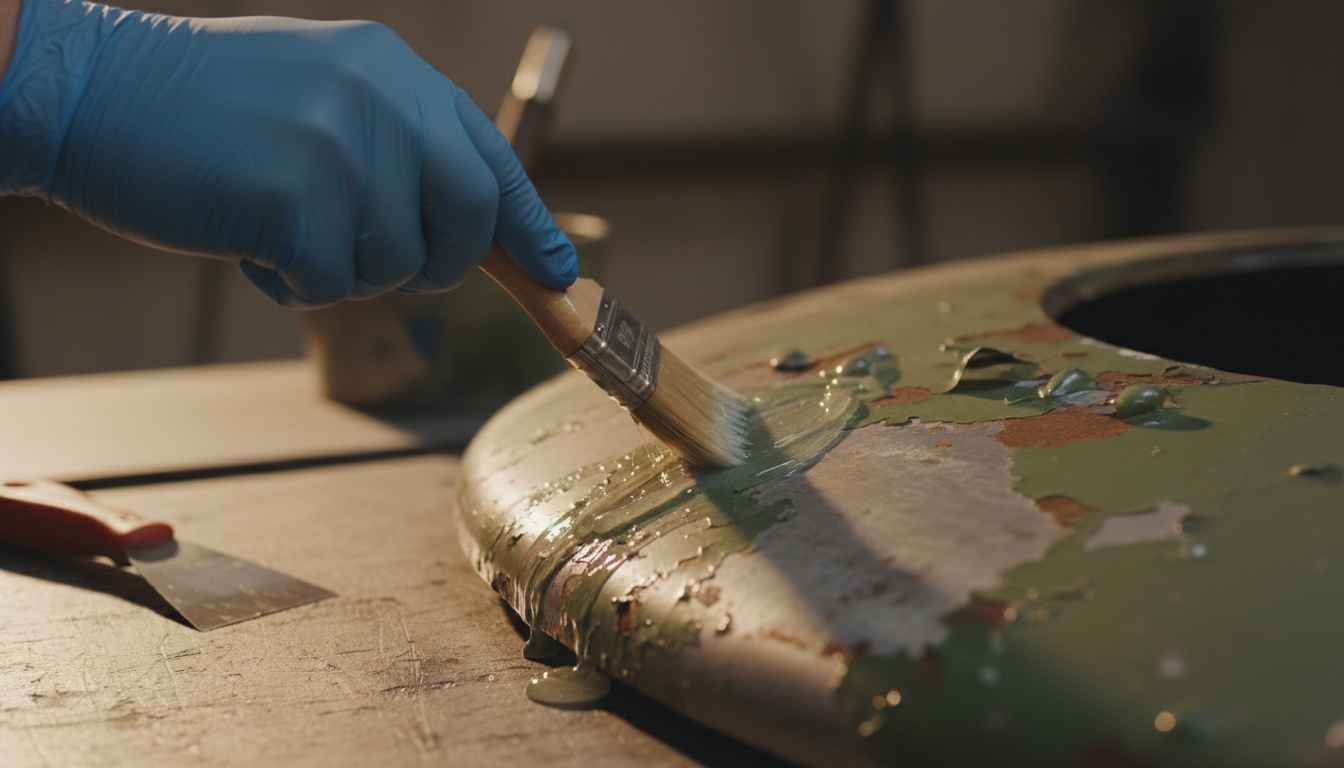
Don’t panic, but discovering that your carefully chosen paint has ended up where it shouldn’t – on metal surfaces – can feel like a disaster. The bright streaks on a railing, an accidentally painted toolbox, or even splatters on a vintage metal chair can be frustrating. As a permaculture designer, I often find myself balancing the beauty of natural landscapes with the functionality of outdoor metal structures, and over the years, I’ve had to develop reliable techniques for removing paint without compromising the integrity of the metal underneath.
My first encounter with stubborn paint came during a community garden project. We had painted a set of iron trellises to protect them from rust, but a miscommunication led to a bright, glossy color being applied over a previously weathered metal finish. At first, I tried scraping it with a knife, but it scratched and dented the surface. It was a hard lesson in understanding that metal reacts differently than wood or plastic when it comes to paint removal.
One of the first methods I learned – and continue to recommend for its balance of effectiveness and safety – is chemical paint stripping. Commercial paint removers are designed to break down the chemical bonds in paint, making it easier to remove. Products like methylene chloride-based strippers work fast on thick layers, but they require extreme caution: gloves, ventilation, and even protective eyewear are non-negotiable. Applying these chemicals to outdoor metal fixtures must be done on a warm day with no wind to avoid spreading toxic fumes. Over the years, I’ve found that combining a chemical stripper with a plastic scraper often provides the cleanest results.
For those who are concerned about using harsh chemicals, there are eco-friendly alternatives that are surprisingly effective. Paint removers formulated from citrus oils or soy-based compounds can slowly dissolve the paint without harming the metal or the environment. This approach takes more patience, often requiring multiple applications over several hours or even days, but it’s safer for both you and the surrounding plants in your garden. You can read more about environmentally conscious artistic practices on Doodlewash®, which offers insights into materials and techniques for creative projects that respect natural surroundings.
Mechanical Removal Techniques
Sometimes, chemical methods are unnecessary. If the paint layer is thin or partially chipped, mechanical removal can be highly effective. Wire brushes, sanding blocks, or even power tools like an orbital sander can strip paint off metal surfaces. The key is to select the correct grit or bristle type: too coarse, and you’ll scratch the metal; too fine, and it may take far longer than necessary. I often start with medium-grit sandpaper and switch to finer grits to smooth the surface after the paint is gone.
An advantage of mechanical removal is that it avoids chemicals entirely, making it ideal for garden tools, decorative ironwork, or objects you intend to reuse or repaint. However, it can be physically demanding and time-consuming, particularly on large surfaces or intricate designs with lots of curves and corners.
For those who are passionate about outdoor adventures and blending into their surroundings, camo face painting is an art form that enhances the experience. Whether you’re preparing for a hunting expedition, a paintball match, or simply want to embrace your inner warrior during a festival, understanding the various techniques and styles of camo face painting can elevate your game. This article will guide you through a comprehensive camo face painting bucket list that every enthusiast should experience, helping you to discover the best locations and events where you can showcase your skills and creativity. Embrace the thrill of camouflage and find out how it can enhance your outdoor activities while connecting you with a community of like-minded individuals.
Heat-Based Methods
Heat can also be a powerful ally in paint removal. Using a heat gun, you can soften the paint, making it easier to scrape off. I learned this during a restoration project on a vintage metal cart. Holding the heat gun a few inches from the surface, the paint bubbled and softened within seconds, allowing me to remove it cleanly with a scraper. Heat methods are particularly useful for older oil-based paints, which often resist chemical strippers and sanding.
Extreme caution is necessary, as overheating can warp thinner metals or pose fire hazards if used near flammable materials. Always wear protective gloves and eye protection, and work in a well-ventilated area to avoid inhaling fumes.
Alternative Options
Not every situation requires full paint removal. For those on a tighter budget or with less time, abrasive pads, steel wool, or vinegar-soaked cloths can remove surface paint in small areas. These methods are slower but suitable for minor touch-ups or delicate objects. For larger-scale projects, some professionals recommend a combination of heat and chemical strippers to accelerate the process without damaging the metal.
Budget Breakdown
Here’s a simple way to visualize typical costs for paint removal on metal surfaces. Imagine a pie chart divided into four segments: Chemicals (40%), Tools like scrapers and sanders (25%), Protective Gear (15%), and Miscellaneous (20%) including brushes, cloths, or eco-friendly strippers. This breakdown highlights where most expenses occur and helps prioritize investments based on the scale of your project.
Potential Drawbacks
Despite these methods, there are situations where removing paint from metal can cause problems. Soft metals, such as aluminum or thin copper sheets, are prone to scratches and warping. Aggressive chemical strippers can leave residues that affect future paint adhesion. Heat methods can create uneven surfaces if not applied carefully. Anyone considering paint removal must assess the metal’s thickness, historical value, and intended future use before starting.
Finally, patience is often the most underestimated factor. Rushing the process can damage both the metal and your peace of mind. I’ve learned that slow, deliberate removal – whether through chemical, mechanical, or heat methods – consistently yields the best results and preserves the integrity of your metal surfaces. When in doubt, testing a small, inconspicuous area first is always wise.
Removing paint from metal is a task that combines chemistry, technique, and patience. By understanding the type of metal, the kind of paint, and your available resources, you can achieve a clean, undamaged surface ready for restoration, repainting, or simply to restore its original shine. The satisfaction of a smooth, paint-free metal surface is well worth the careful planning and effort.


