
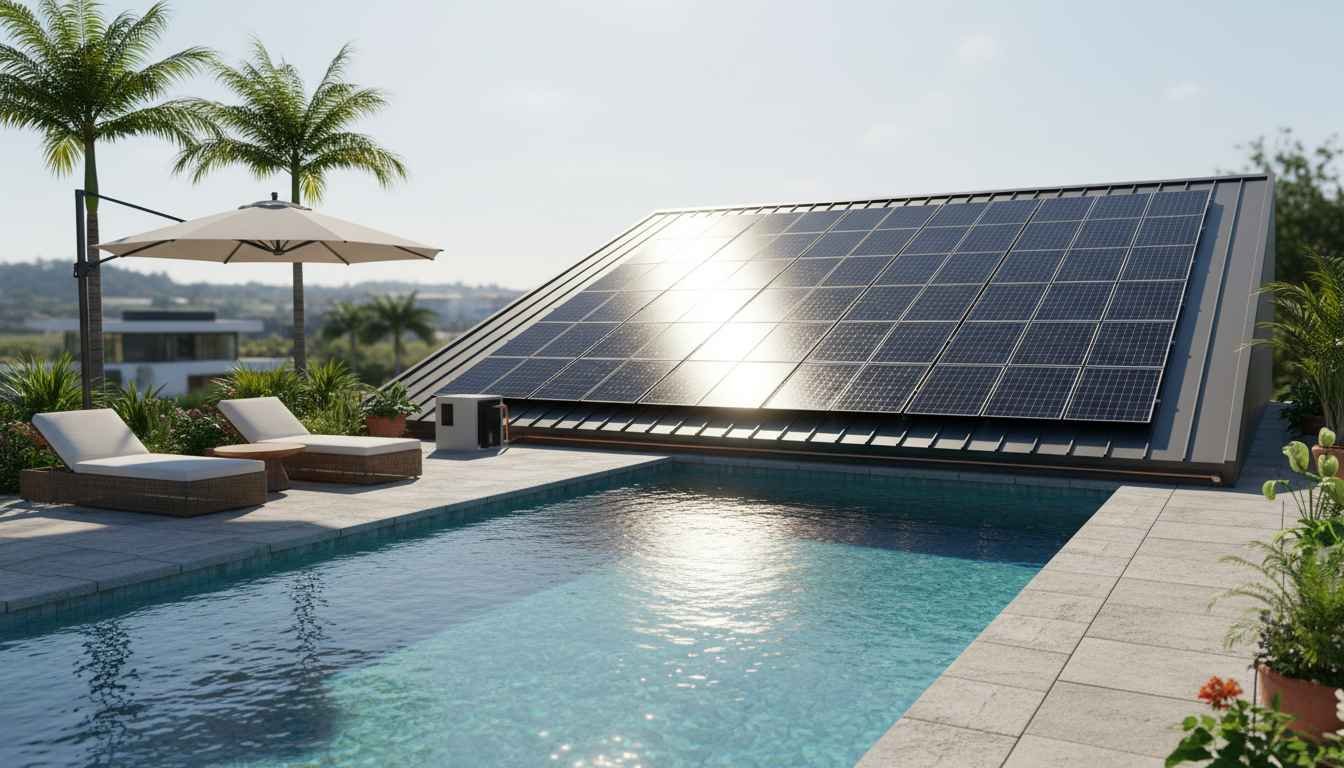
Ready? Set. Go. Solar pool technologies have transformed how homeowners heat, maintain, and enjoy their pools. With advancements in solar panels, energy storage, and smart controls, pools can now stay warm and inviting without the hefty energy bills associated with traditional heating methods. This guide dives deep into the mechanics, benefits, maintenance, and potential pitfalls of solar pool systems to help you make an informed decision for your backyard oasis.
Understanding Solar Pool Technologies
At its core, solar pool technology leverages the sun’s energy to heat your pool water. The process typically involves solar collectors, pumps, and control systems. Collectors absorb sunlight, converting it into heat that circulates through your pool’s water. Modern systems often include smart thermostats and automated valves to optimize efficiency and reduce manual oversight.
There are several types of solar collectors: flat-plate panels, evacuated tube collectors, and liquid-based solar mats. Flat-plate panels are durable, cost-effective, and perform well in temperate climates. Evacuated tube collectors excel in colder regions, offering superior heat retention. Liquid-based solar mats are flexible and ideal for smaller pools or irregular installation areas.
Benefits of Installing Solar Pool Systems
One of the most compelling benefits of solar pool technologies is energy efficiency. Traditional gas or electric heaters consume significant energy, translating to higher utility costs and carbon emissions. Solar systems, on the other hand, rely on renewable energy and can reduce heating costs by up to 80% over time. Moreover, solar panels are durable, often lasting 15–25 years with minimal maintenance.
Beyond cost savings, solar heating extends your swimming season. Pools can remain comfortably warm from spring through fall, even in cooler climates when paired with well-insulated covers. Additionally, solar systems contribute to eco-friendly living, aligning with broader sustainability goals for homeowners.
Maintenance and Care Guide for Solar Pool Systems
Maintaining a solar pool system ensures long-term efficiency and avoids unexpected breakdowns. Begin by regularly inspecting the solar collectors for debris, leaves, or sediment buildup. Flat-plate panels may require occasional washing with a mild soap solution, while evacuated tube systems often benefit from routine checks of the tubes for cracks or leaks.
The pool pump and circulation system are critical. Ensure the pump runs at the correct speed and duration, typically 6–8 hours per day, to circulate water through the collectors without straining the system. Smart controllers can automate this process, adjusting flow rates based on sunlight intensity and water temperature.
Check the plumbing and valves seasonally for leaks or blockages. In colder climates, consider draining the collectors or using antifreeze solutions to prevent freeze damage during winter. Regular monitoring of water chemistry is also crucial; balanced pH and chlorine levels prevent scaling and corrosion, preserving both your pool and the solar equipment.
As enterprises increasingly seek innovative solutions to manage vast amounts of data, understanding the financial implications of new technologies becomes crucial. One such innovation is shingled technology, which offers significant advantages in data storage efficiency and cost-effectiveness. In our latest article, titled Shingled Technology Cost Analysis and Pricing Breakdown for Enterprises, we delve into the intricacies of this technology, providing a comprehensive overview of its pricing structures and long-term value. By analyzing the costs associated with implementation and maintenance, businesses can make informed decisions that align with their strategic goals, ensuring they harness the full potential of emerging technologies.
Smart Enhancements for Solar Pool Efficiency
Modern solar pool systems integrate with smart home technologies, allowing remote monitoring and automation. Wi-Fi-enabled controllers can adjust water flow and temperature, track energy savings, and send alerts for maintenance issues. Pool covers further enhance efficiency by reducing heat loss, especially overnight or during cooler months.
Additionally, pairing solar systems with energy storage solutions, such as batteries, can optimize usage. Excess heat can be stored and released as needed, ensuring consistent water temperature even during cloudy days. Real-world case studies show that homeowners who incorporate these enhancements save up to 40% more energy compared to conventional solar setups.
Potential Drawbacks and Who Should Avoid This
While solar pool technologies offer impressive benefits, they are not suitable for everyone. Initial installation costs can be significant, particularly for large pools or advanced collector types. Homeowners in regions with prolonged periods of low sunlight may see slower returns on investment. Additionally, those unwilling to perform basic maintenance or monitor water chemistry may face reduced system efficiency or premature wear.
Space considerations are also important. Solar panels require unobstructed access to sunlight, so homes with limited roof or ground space may need creative solutions. In some cases, hybrid systems combining solar with gas or electric heaters can bridge these gaps, but at added complexity and cost.
Case Study: Solar Pool Success in California
In San Diego, a residential community installed solar pool systems across 50 homes. Within two years, the collective energy savings amounted to over $100,000, with each household enjoying year-round swimming without traditional gas heating. Residents reported reduced maintenance stress thanks to automated controls and improved water quality due to consistent circulation. This example illustrates how well-planned solar systems can deliver both financial and lifestyle benefits.
Choosing the Right Solar Pool System
When selecting a system, consider collector type, pool size, local climate, and budget. Flat-plate panels are ideal for warm regions, while evacuated tube collectors perform better in colder climates. Liquid mats offer flexibility for smaller or irregular pools. Engage with a certified installer to ensure proper sizing and placement, maximizing efficiency and longevity. Leveraging resources like Jetpack for monitoring or integrating smart automation can further enhance performance and reduce ongoing effort.
Future Trends in Solar Pool Technologies
The future of solar pool systems is moving toward greater integration with home automation, predictive analytics, and enhanced energy storage. Innovations such as hybrid photovoltaic-thermal panels may allow simultaneous electricity and heat generation, further reducing operational costs. Additionally, advancements in self-cleaning panels and antifreeze-resistant materials will make systems more robust and easier to maintain year-round.
Conclusion
Solar pool technologies represent a paradigm shift in how we heat and maintain pools. With proper installation, maintenance, and smart enhancements, homeowners can enjoy significant energy savings, environmental benefits, and extended swimming seasons. While upfront costs and site limitations may pose challenges, the long-term advantages often outweigh these concerns, making solar pool systems a compelling investment for forward-thinking homeowners.