
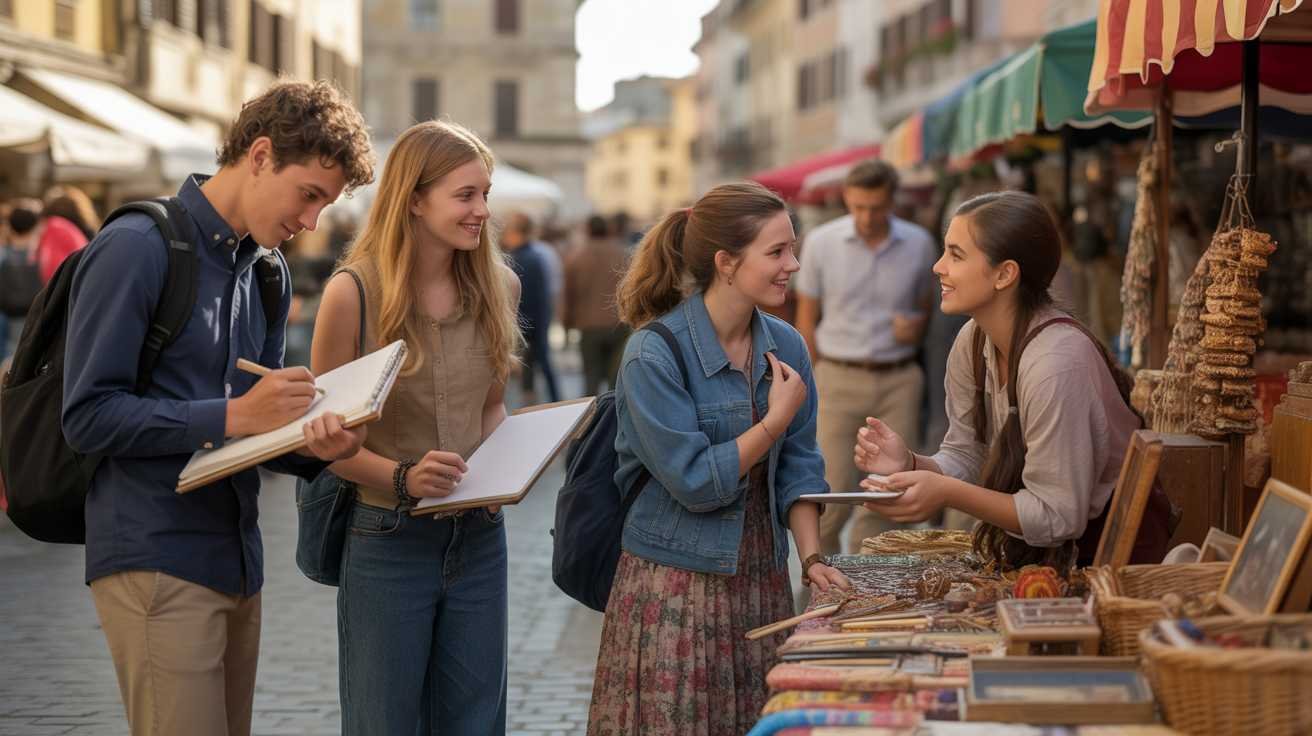
Imagine stepping into a bustling street market in Morocco, the air thick with the scent of spices and fresh mint tea. Or perhaps you’re wandering through the serene temples of Kyoto, the soft rustling of bamboo leaves accompanying your every step. These aren’t mere daydreams; they are tangible experiences waiting for you. But here’s the catch: without intentional strategies, these moments can slip through your fingers. To truly immerse yourself and extract the maximum cultural value from your time abroad, you need more than just a passport and a plane ticket. You need a plan.
Understanding the Importance of Cultural Immersion
Studying abroad isn’t just about academics; it’s about transformation. It’s about shedding the familiar and embracing the unknown. When you immerse yourself in a new culture, you’re not merely observing; you’re participating. You’re tasting the local cuisine, engaging in conversations with locals, and navigating the intricacies of daily life. This deep engagement fosters empathy, adaptability, and a broader worldview. However, this transformation doesn’t happen by chance. It requires deliberate actions and an openness to new experiences. The question then arises: how can you ensure that your study abroad experience is rich in cultural learning?
Setting Clear Cultural Learning Goals
Before embarking on your journey, take a moment to reflect on what you hope to achieve culturally. Do you want to learn a new language? Understand local traditions? Build lasting relationships with locals? By setting clear goals, you provide yourself with a roadmap for your experience. These objectives will guide your decisions, from choosing activities to engaging with peers. Remember, without a destination in mind, any path will do. But with purpose, every step becomes meaningful.
Engaging with the Local Community
One of the most effective ways to immerse yourself in a new culture is by engaging directly with the local community. Attend local festivals, participate in community events, and volunteer your time. These interactions provide authentic insights into the culture and allow you to build genuine connections. For instance, joining a cooking class can teach you about traditional dishes while also offering a platform to meet locals. Such experiences enrich your understanding and create memories that textbooks can’t offer.
Learning the Language
Language is the gateway to culture. Even a basic understanding of the local language can enhance your experience exponentially. It allows you to navigate daily interactions with ease, understand cultural nuances, and build deeper relationships. While fluency isn’t immediately necessary, making an effort to learn key phrases and expressions demonstrates respect and eagerness to connect. Many universities offer language exchange programs or conversation partners, providing ample opportunities to practice and improve.
Participating in Study Abroad Programs
Many institutions offer structured study abroad programs designed to maximize cultural exposure. These programs often include excursions, cultural workshops, and guided interactions with locals. By participating, you gain access to resources and support that can enhance your experience. Moreover, being part of a program cohort can provide a sense of community and shared purpose, making the transition smoother and more enjoyable.
Embracing Cultural Challenges
Every culture has its unique challenges. Whether it’s navigating different social norms, adapting to new foods, or understanding unfamiliar customs, these challenges are opportunities for growth. Embrace them. Approach each obstacle with curiosity rather than frustration. By doing so, you not only adapt more quickly but also gain a deeper appreciation for the culture. Remember, comfort zones are where growth goes to die. Step out, and you’ll be amazed at what you can learn.
Documenting Your Journey
Keeping a journal or blog during your time abroad allows you to reflect on your experiences and track your cultural learning. Documenting your thoughts, feelings, and observations helps solidify your understanding and provides a valuable record to look back on. Additionally, sharing your experiences with others can inspire them to embark on their own journeys, creating a ripple effect of cultural appreciation.
Building Lasting Relationships
Forming connections with locals and fellow international students can provide ongoing cultural insights long after your study abroad period ends. These relationships offer a window into different perspectives and can lead to lifelong friendships. Stay in touch, share experiences, and continue learning from each other. In a world that’s increasingly interconnected, these global networks are invaluable.
Reflecting on Your Experience
Upon returning home, take time to reflect on your journey. How have you changed? What have you learned? How can you apply these lessons in your daily life? Reflection is crucial for internalizing cultural learning and ensuring that the experience has a lasting impact. Share your insights with others, participate in cultural events in your home country, and continue to seek out opportunities for cross-cultural engagement.