Create an Inclusive Learning Environment
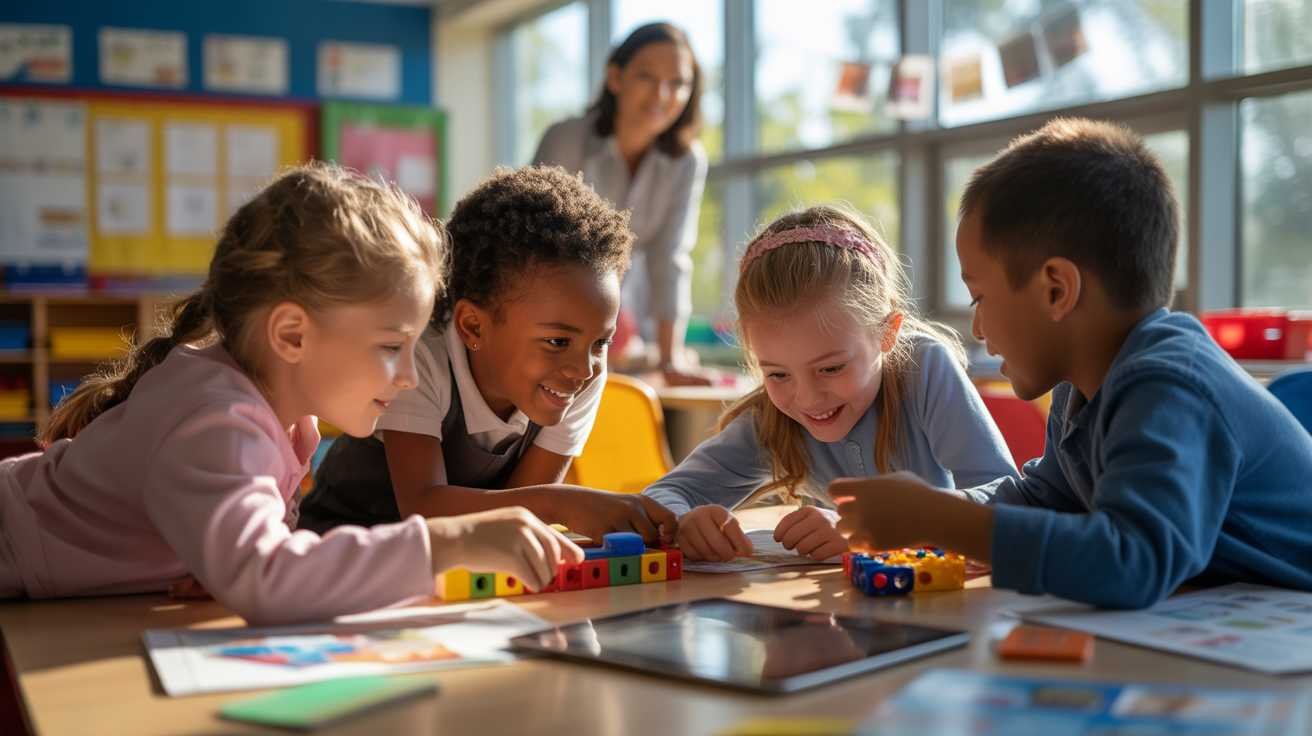
In the heart of every successful classroom lies an environment where every student feels valued, seen, and empowered. Establishing such a space requires more than simple seating arrangements or motivational posters; it demands a careful orchestration of trust, transparency, and a shared sense of purpose. Imagine a room where the murmur of focused conversations, the spark of spontaneous questions, and the laughter of shared discoveries fill the air. This is the environment where peer collaboration thrives. By consciously designing seating arrangements that encourage eye contact and ease of communication, educators can foster natural interactions. Incorporating collaborative tools such as interactive whiteboards, digital breakout rooms, and real-time feedback platforms also enhances the tactile and visual stimulation necessary for engagement. Ensuring that every student’s voice is heard requires attention to dynamics often overlooked, such as body language, classroom acoustics, and the subtle cues that signal discomfort or hesitation. By maintaining a strong awareness of educator rights to structure and guide the learning space, teachers can implement rules and routines that support fairness, equity, and accessibility. The goal is a living, breathing ecosystem where peer-to-peer learning emerges organically, driven by curiosity and mutual respect, rather than rigid instruction alone.
Leverage Student Strengths and Interests
Every student carries a unique constellation of strengths, talents, and passions. Recognizing and harnessing these abilities is essential to igniting the fire of collaboration. When students are allowed to contribute in ways that align with their personal interests, the energy in the classroom shifts dramatically. Picture a history project where one student excels in research, another in visual design, and another in public speaking. By aligning tasks to individual strengths, students not only perform better but also learn to appreciate diverse skill sets among their peers. Teachers must remain vigilant in protecting their educator rights to assign roles and responsibilities strategically, ensuring equitable participation without favoritism. Incorporating surveys, interest inventories, and informal conversations can reveal hidden talents, while structured reflection sessions allow students to recognize their own growth and the value of teamwork. This strategy transforms collaboration from a forced exercise into an exhilarating challenge, creating a palpable sense of excitement and anticipation. Students become co-creators of knowledge, eagerly contributing because their contributions are recognized, celebrated, and essential to the group’s success.
Implement Structured Collaborative Activities
While free-form group work can occasionally spark innovation, structured collaborative activities provide the scaffolding necessary for consistent and meaningful learning. Carefully designed tasks with clearly defined objectives, timelines, and roles ensure that every student engages fully and equitably. Visualize a science lab where each group member operates a specific station – one measures, another records data, a third analyzes results, and a fourth presents findings – creating a seamless, interdependent workflow. Teachers exercising their educator rights to define roles and monitor participation can prevent common pitfalls such as social loafing or uneven workload distribution. Integrating technology, like collaborative document editing or project management tools, provides transparency and accountability, allowing students to track contributions and progress. The sense of urgency in completing these tasks fosters a dynamic, immersive experience where each student feels integral to the outcome. Over time, structured collaboration cultivates not only academic skills but also essential life competencies: communication, problem-solving, and leadership, turning each lesson into an arena of discovery and excitement.
Encourage Peer Teaching and Mentorship
One of the most powerful engines of learning is peer teaching. When students explain concepts to one another, they solidify their own understanding while fostering a culture of mutual support. Picture a mathematics classroom where a student demonstrates a complex formula to peers, their gestures tracing invisible lines in the air as understanding lights up the faces of the group. Educators must be confident in exercising their educator rights to designate peer mentors and provide guidance, ensuring accuracy and preventing the spread of misconceptions. This dynamic not only empowers capable students but also creates a network of accountability and encouragement. Mentorship programs, paired with reflective journaling or group debriefings, enhance both cognitive and social learning. The sensory richness of these interactions – the tone of voice, the movement, the tangible presence of learning materials – heightens engagement, making every session feel immediate, vital, and unmissable. Students emerge from these experiences with a profound sense of connection, responsibility, and excitement for future collaborative challenges.
Use Real-World Scenarios and Problem-Solving
Collaboration is most meaningful when anchored in authentic, real-world challenges. Incorporating case studies, simulations, or live problem-solving tasks stimulates curiosity and positions learning as urgent and consequential. Imagine a business studies class tasked with designing a sustainable start-up; students must negotiate budgets, market strategies, and environmental impact, experiencing firsthand the stakes of teamwork and decision-making. Teachers can safeguard their educator rights to direct these scenarios, ensuring that all students participate and that learning objectives align with curriculum standards. Engaging multiple senses through role-playing, interactive media, and tangible problem-solving materials intensifies the experience, creating memorable, immersive lessons. When students see the relevance of their work beyond the classroom, the energy in the room becomes electric, driving participation and excitement. Peer collaboration in this context transcends academic exercise – it becomes a rehearsal for real-life success, making every moment of engagement feel urgent, consequential, and unmissable.
Foster Open Communication and Feedback
Effective collaboration is impossible without clear, consistent communication. Students must feel comfortable expressing ideas, asking questions, and providing constructive feedback without fear of judgment or exclusion. Envision a classroom where open discussion flows like a river, each contribution rippling outward, prompting deeper inquiry and richer connections. Educators exercising their educator rights to establish communication norms, mediate conflicts, and guide discussions play a pivotal role in sustaining this dynamic. Providing structured feedback frameworks – such as peer review protocols, reflective prompts, and digital comment platforms – ensures that every voice is valued and every contribution recognized. The tactile experience of annotating peer work, speaking in small groups, and presenting to larger audiences creates a multi-sensory environment that reinforces learning. By modeling active listening, empathetic responses, and transparent dialogue, teachers cultivate an atmosphere where collaboration is instinctive, urgent, and deeply rewarding, leaving no student feeling peripheral or excluded.
Integrate Technology to Enhance Collaboration
In today’s digital age, technology is an indispensable partner in fostering peer collaboration. Platforms such as collaborative documents, virtual whiteboards, and communication apps allow students to work synchronously or asynchronously, expanding the boundaries of interaction beyond physical classrooms. Imagine a literature class where students annotate texts in real time, their comments sparking debates and insights that ripple across devices and screens. Educators retain their educator rights to moderate, guide, and secure these digital spaces, ensuring privacy, accuracy, and constructive engagement. Beyond mere convenience, technology introduces sensory variety – visual alerts, color-coded contributions, multimedia integration – that heightens attention and engagement. Responsive tools that track progress, provide instant feedback, and allow for personalized intervention make collaborative projects more transparent and accountable. The immersive, interactive nature of these platforms generates a sense of urgency and excitement, making students feel as if every moment online is an opportunity not to be missed.
Recognize and Celebrate Collaborative Success
Recognition is a powerful motivator. Celebrating collaborative achievements reinforces positive behaviors and inspires ongoing engagement. Picture a classroom wall adorned with student-led projects, glowing digital badges highlighting teamwork, or live presentations shared with the broader school community. Educators exercising their educator rights to acknowledge effort, creativity, and leadership cultivate a culture where every contribution is valued. Timely praise, tangible rewards, and reflective discussions allow students to savor the fruits of collaboration while learning from the process. The sensory impact of recognition – the warmth of applause, the visual display of accomplishments, the excitement of peers celebrating each other – creates lasting emotional resonance. By making achievements visible and meaningful, teachers instill a sense of urgency to participate and excel, ensuring that collaborative learning is not merely a routine task but a vibrant, celebrated experience that no student wants to miss.
Develop Critical Reflection Practices
Reflection solidifies learning and enhances collaborative skills. Encouraging students to critically examine their group dynamics, personal contributions, and collective outcomes transforms each collaborative session into a deeply analytical and growth-oriented experience. Visualize students journaling insights, discussing challenges in post-project forums, or participating in reflective circles where experiences are shared aloud. Educators must assert their educator rights to guide reflection, pose probing questions, and facilitate meaningful dialogue. This practice develops metacognitive skills, teaching students to recognize strengths, identify weaknesses, and strategize for future improvement. The process is immersive and sensory-rich, involving the written word, spoken language, and interpersonal observation, making reflection an active, engaging, and urgent component of learning. By cultivating a habit of reflection, teachers ensure that collaborative experiences are not fleeting but become transformative milestones that propel students toward academic excellence and lifelong teamwork competence.
Conclusion and Call to Action
Fostering peer collaboration and learning in the classroom is not a passive endeavor; it is a dynamic, urgent pursuit that demands creativity, structure, and strategic guidance. By creating inclusive environments, leveraging student strengths, structuring activities, encouraging peer teaching, integrating real-world scenarios, promoting communication, utilizing technology, recognizing achievements, and developing reflection practices, educators transform classrooms into vibrant ecosystems of engagement and growth. Teachers exercising their educator rights play a pivotal role in orchestrating these experiences, ensuring equity, accountability, and excitement. Now is the time to take action: implement these strategies today to ignite collaboration, deepen learning, and make your classroom an unmissable hub of innovation and connection. Don’t wait – students are ready, the classroom is primed, and every moment counts. Elevate your teaching, protect your educator rights, and embrace the full potential of peer-driven learning.


